
For many senior professionals, the working day is built around movements which is why an executive business travel provider can meet more than just the journey. Meetings may take place in different offices, cities or venues. Calls run longer than expected. Schedules change. Travel becomes the link that connects everything together.
When that link is unreliable, the entire day can feel more difficult.
This is one of the reasons executive transfers have become increasingly common among business leaders and professionals who rely on punctuality and focus. Executive transfers are not simply about convenience. They provide a way to keep the working day running smoothly.
The Problem with Traditional Business Travel
Driving yourself to meetings might seem like the simplest option. However anyone who regularly travels through busy cities knows the hidden challenges that come with it. Traffic delays, unfamiliar roads and limited parking can turn even a short journey into a source of frustration.
Public transport can be equally unpredictable. Delays, crowded stations and fixed timetables often clash with the flexible nature of business schedules. We’ve recently seen Manchester Piccadilly station with major closures, along with delays daily across the train service nationally and regionally too.
For professionals whose days are carefully planned, these uncertainties quickly become disruptive. Executive transfers remove those variables entirely.
When the Journey Stops Being a Distraction
For Rachel, a regional director who regularly travels between Liverpool and Manchester, travel used to be the most frustrating part of the week. Her diary often included meetings in both cities on the same day.
“I’d spend the morning checking traffic on Apple Maps and trying to work out whether I should leave earlier,” she explains. The journey itself wasn’t long, but the uncertainty surrounding it added pressure.
After being introduced to Pelorus executive chauffeur travel by a colleague, Rachel decided to try it for a week and said “The biggest difference was that I didn’t have to think about the journey anymore,”.
Instead of watching traffic conditions, she used the time to prepare for meetings and review documents. “That hour between meetings suddenly became useful.”
A Space to Think
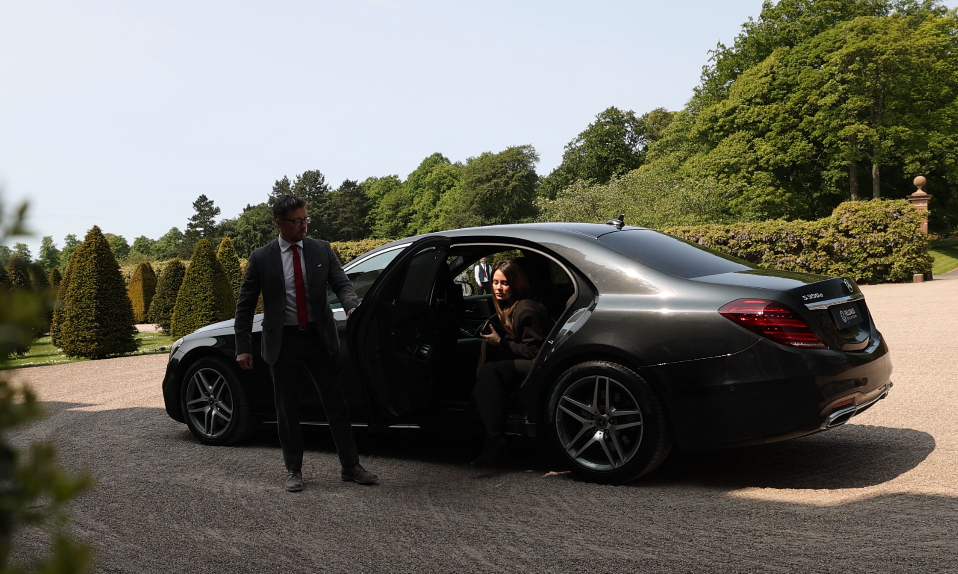
This shift is one of the main reasons professionals choose executive transfers. Inside a chauffeur-driven vehicle, the environment is quiet and private. There is space to think, prepare or simply take a moment to reset.
For professionals moving between high-pressure meetings, that calm environment can make a significant difference.
Supporting Business Travel
Executive transfers are also widely used by businesses arranging travel for directors, visiting clients or senior staff. For personal assistants and office managers, reliability is often the most important factor.
When transport arrives early and journeys run smoothly, coordinating travel becomes far easier.
Arrival Matters
There is also a subtle psychological benefit to arriving calmly. Walking into a meeting after navigating traffic or rushing from a car park can affect confidence. Arriving relaxed and prepared creates a very different atmosphere.
For many professionals, that difference becomes noticeable very quickly.
A Practical Solution for Busy Professionals
Executive transfers may once have been viewed as a luxury. Today, they are increasingly seen as a practical tool for managing busy schedules. When travel is predictable and productive, the entire working day becomes easier to manage.
Book your executive transfer today:
Precision Travel for Modern Business.
FAQs
1. What are executive transfers?
Executive transfers are chauffeur-driven transport services designed for professionals travelling between meetings, offices or airports.
2. Why do professionals use executive transfers?
They remove the stress of driving and allow passengers to focus on preparation or work during the journey.
3. Are executive transfers suitable for inter-city travel?
Yes. Many professionals use executive transfers for journeys between cities such as Liverpool and Manchester.
4. What vehicles are used for executive transfers?
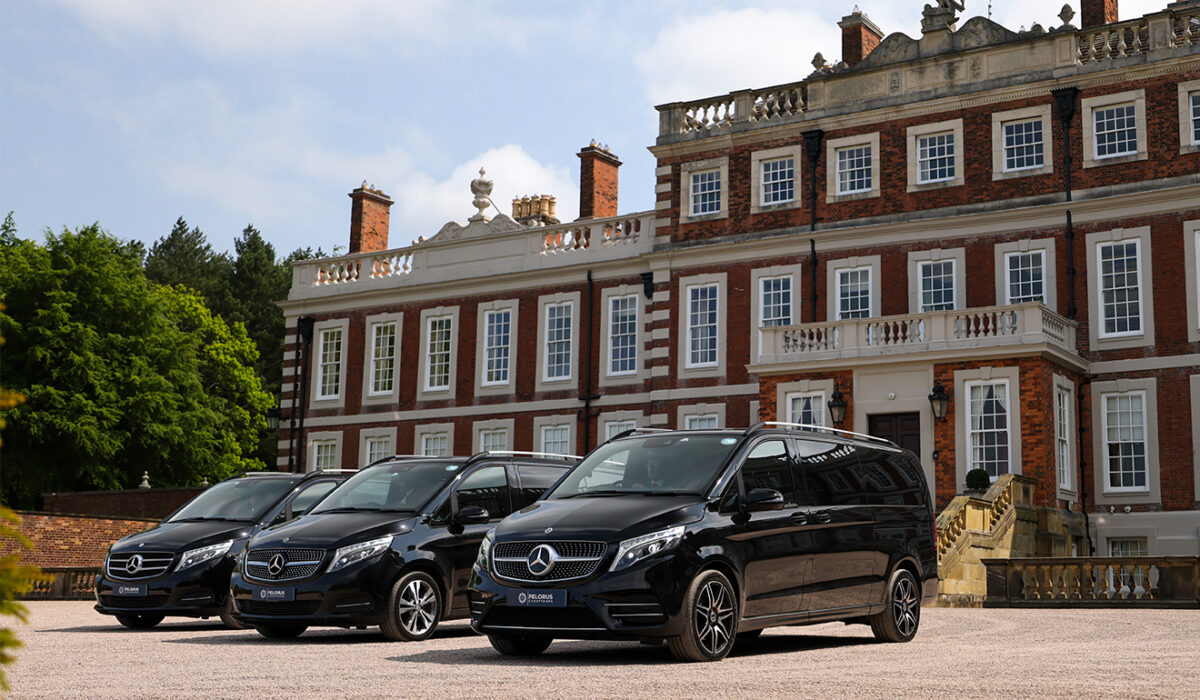
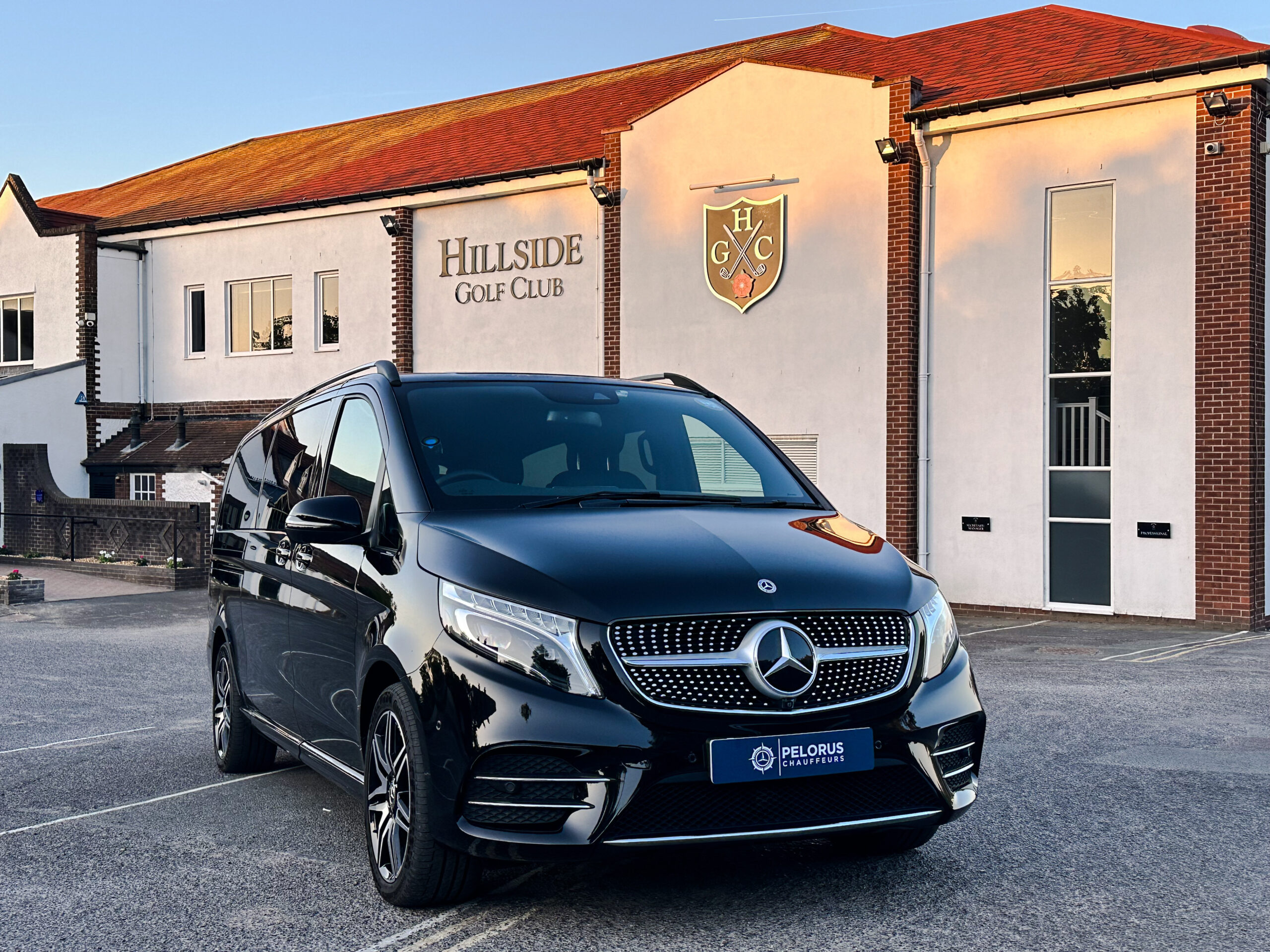
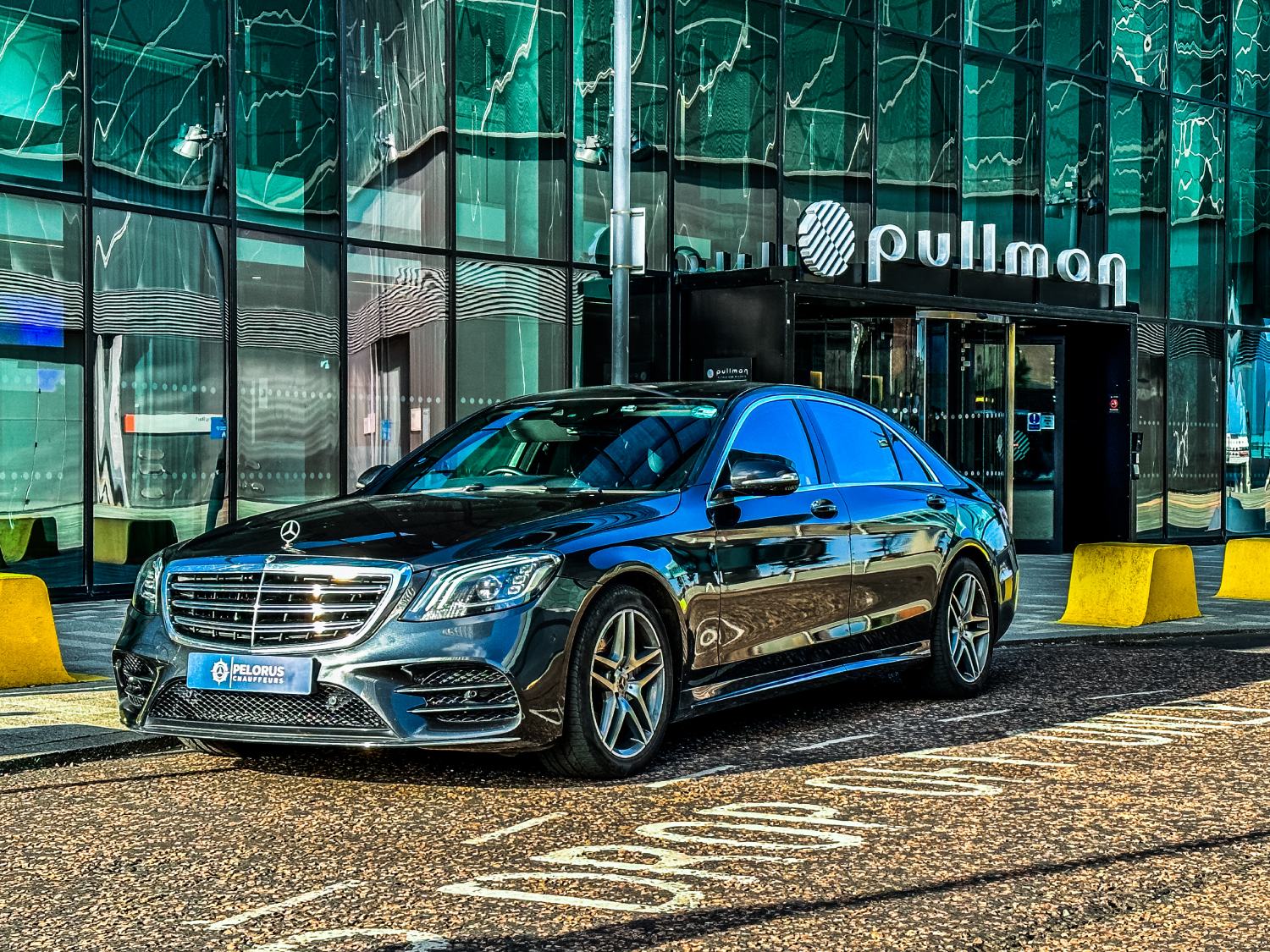
Luxury vehicles such as the Mercedes-Benz S-Class and V-Class are commonly used.
5. Can businesses arrange executive transfers for clients?
Yes. Many organisations use chauffeur services to transport visiting clients or senior staff.
6. How do executive transfers improve productivity?
Passengers can use travel time to prepare for meetings or make calls instead of concentrating on driving.
Why More Golf Societies Across Southport and Liverpool Are Booking Chauffeur Travel for Golf Days
Chauffeur travel for golf days is growing and there’s key reasons to it. There’s usually…
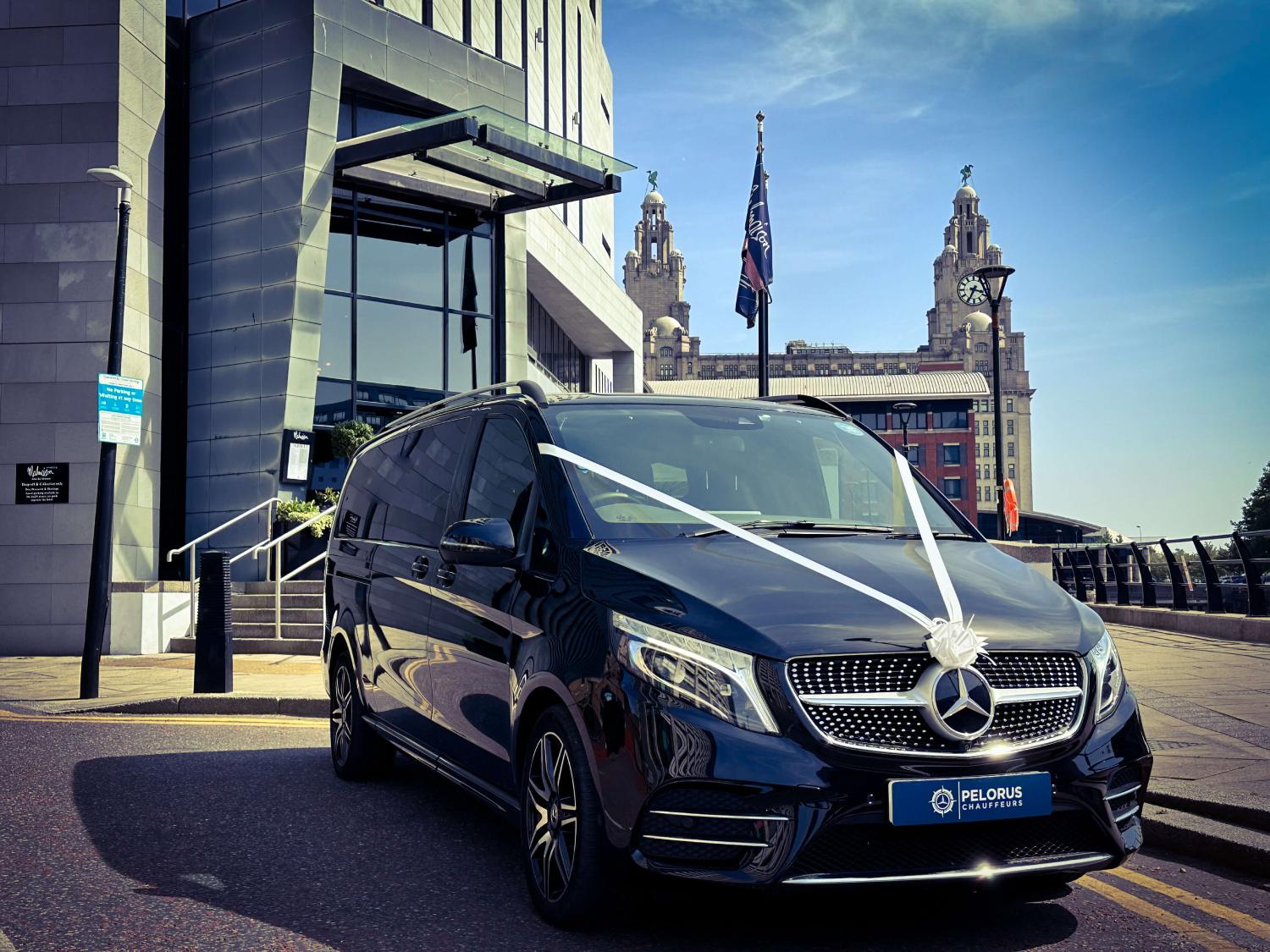
Wedding Chauffeurs in Liverpool: The Difference Between a Wedding Day That Flows Properly – And One That Doesn’t
Most couples spend months planning their wedding day down to the smallest detail, but did…

Why More Entrepreneurs in Ormskirk and West Lancashire Are Using Chauffeur Travel For Business
At 7:10am on a weekday morning, the roads leaving Ormskirk all tend to feel the…
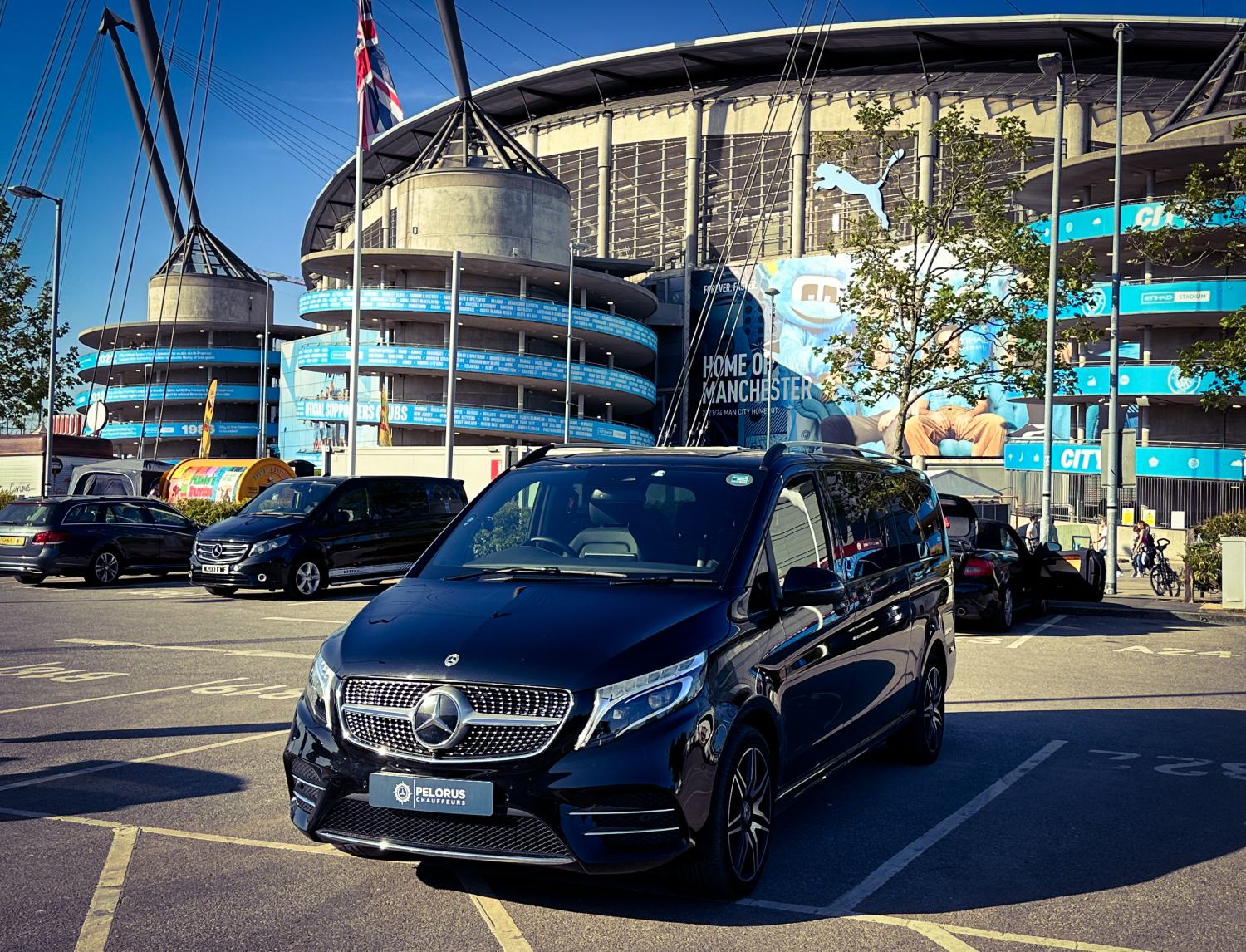
The World Cup Might Be in America, Mexico & Canada – But Matchday Hospitality Across the UK Is About to Get Even Bigger
Every World Cup summer changes the atmosphere around football in the UK, however for Pelorus,…
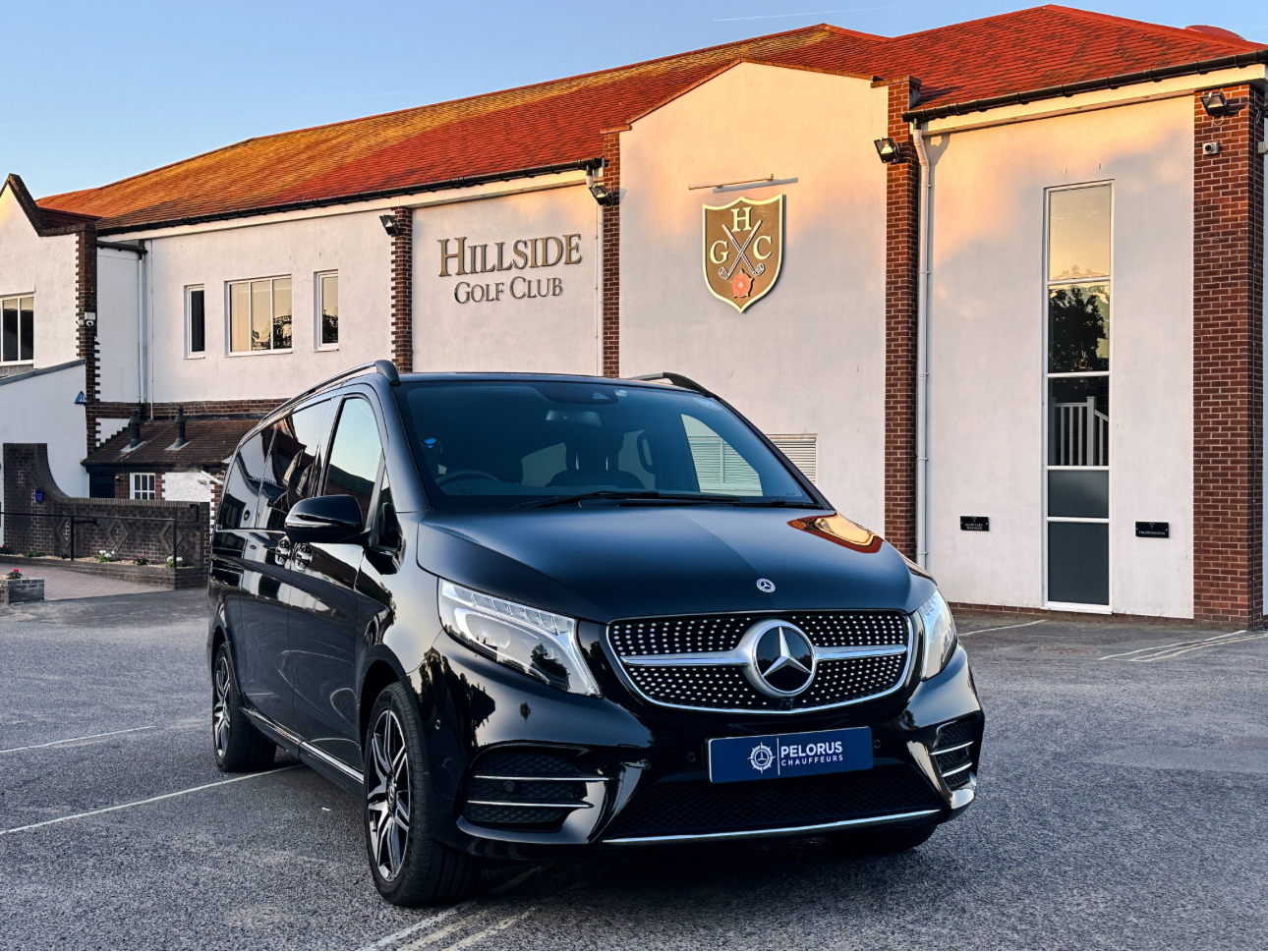
The Open at Royal Birkdale Will Push Southport’s Transport to Its Limits – Pelorus Chauffeurs Will Keep You Moving
There’s a particular point during The Open Championship week where Southport quietly changes and if…
From Boardroom to Fairway: Why Preston’s Executives Are Choosing Chauffeur Services for Seamless Travel
In Preston, travel rarely stays local, which is why a chauffeur service needs to stand…

Precision, Privacy, Punctuality: Why Warrington Businesses Are Turning to Executive Chauffeur Travel
Warrington Businesses are turning to Executive Chauffeur Travel – Warrington has always been a town…
Wilmslow’s Ultra-Private Travel Standard: Why High-Net-Worth Clients Choose Chauffeurs Over Driving Themselves
Choose Chauffeurs Over Driving There’s a particular kind of moment that tends to happen on…
The Open at Royal Birkdale 2026: How Elite Hospitality Transport Is Quietly Powering Golf’s Most Exclusive Week
Hospitality Transport for Birkdale This July, something is shifting along the Sefton coastline. The pace…
Behind Manchester’s Boardrooms: The Executive Car Services Trusted by Those Who Can’t Afford to Be Late
There’s a moment before every important meeting. It might be five minutes before walking into…